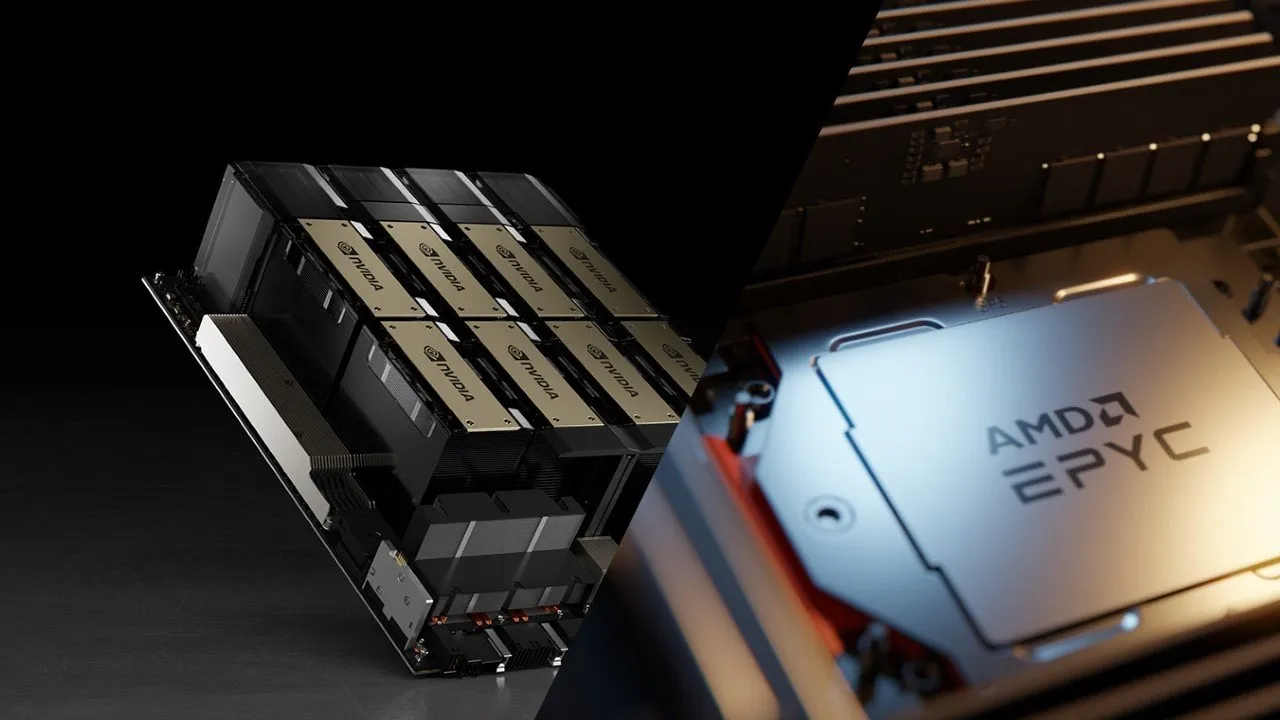
At Microsoft Ignite, CEO Satya Nadella introduced a groundbreaking AMD processor, custom-designed for Azure's HBv5 virtual machines.
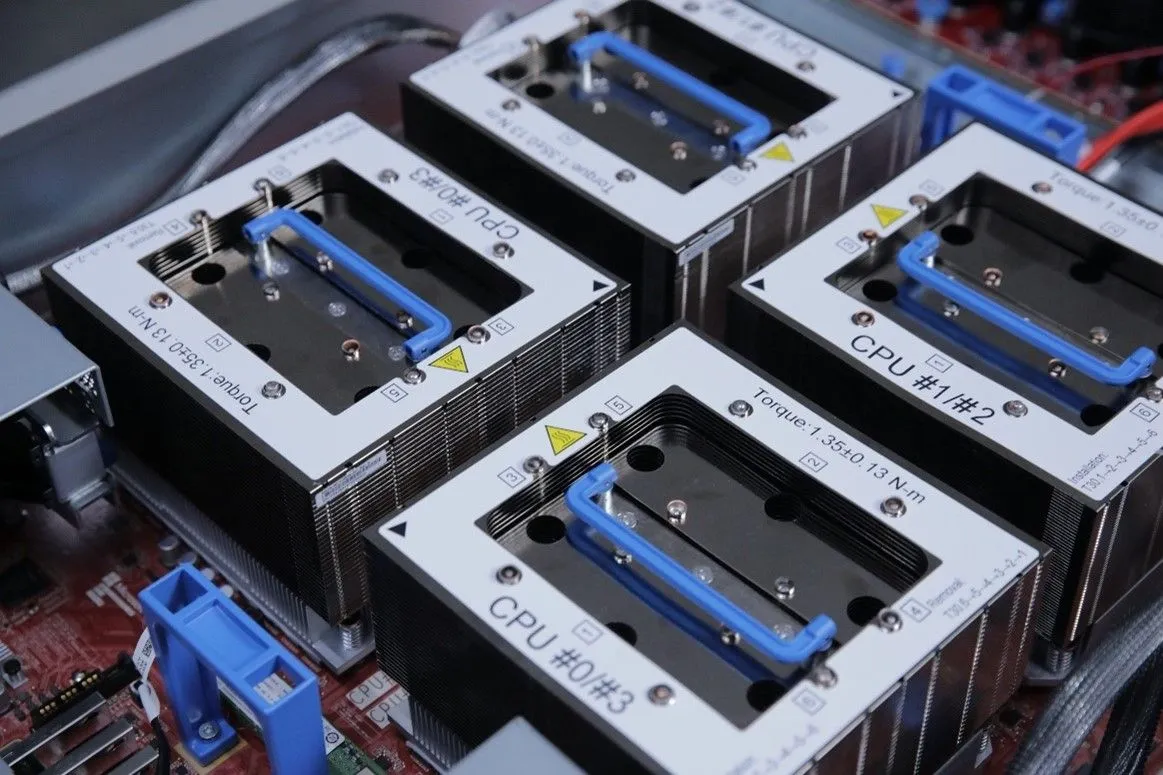
This 4th-generation EPYC server CPU, dubbed 9V64H, is tailored to deliver exceptional performance for high-performance computing (HPC) workloads.
Key Specifications of the 9V64H CPU
- 88 cores, clocked up to 4GHz (compared to the 84-core AMD 9634 CPU at 3.7GHz).
- High-Bandwidth Memory (HBM3) access of up to 450GB RAM.
- Memory bandwidth: Nearly 7.0TBps, outpacing AMD's Instinct MI300A accelerator.
- Quantum-2 InfiniBand networking from NVIDIA, enabling 800Gbps data transfer.
- SMT-disabled architecture, providing up to 9GB of memory per core.
Performance and Use Cases
According to Fernando Aznar, Microsoft's HPC + AI Product Marketing Manager, the 9V64H targets bandwidth-intensive HPC applications, including:
- Computational fluid dynamics.
- Automotive and aerospace simulations.
- Weather modeling and energy research.
- Molecular dynamics and computer-aided engineering (CAE).
The processor’s architecture supports scaling workloads to hundreds of thousands of cores, leveraging its superior memory bandwidth and connectivity.
Advanced Storage Integration
The Azure HBv5 VMs also feature 14TB local NVMe SSDs, delivering unparalleled storage performance:
- Read speeds: Up to 50GB/s.
- Write speeds: Up to 30GB/s.
These figures surpass conventional PCIe Gen5 storage solutions and are achieved using specialist hardware.
Microsoft and AMD Collaboration
The 9V64H is AMD’s first quad-socket project, reflecting a strategic shift from single-socket designs to meet hyperscale client demands.

Co-developed with Microsoft, the processor includes NVIDIA’s cutting-edge Quantum-2 InfiniBand technology, ensuring seamless data transfer across CPUs and enabling scalable performance for Azure customers.
Availability
The Azure HBv5 VMs featuring the 9V64H processor are set to launch in 2025. Enterprises can request preview access by filling out a form shared by Microsoft.
This custom-designed AMD CPU represents a significant leap in cloud infrastructure, reinforcing Azure’s position as a leader in HPC solutions.