Intel is retracting one of its most significant changes to laptop chips in recent years.
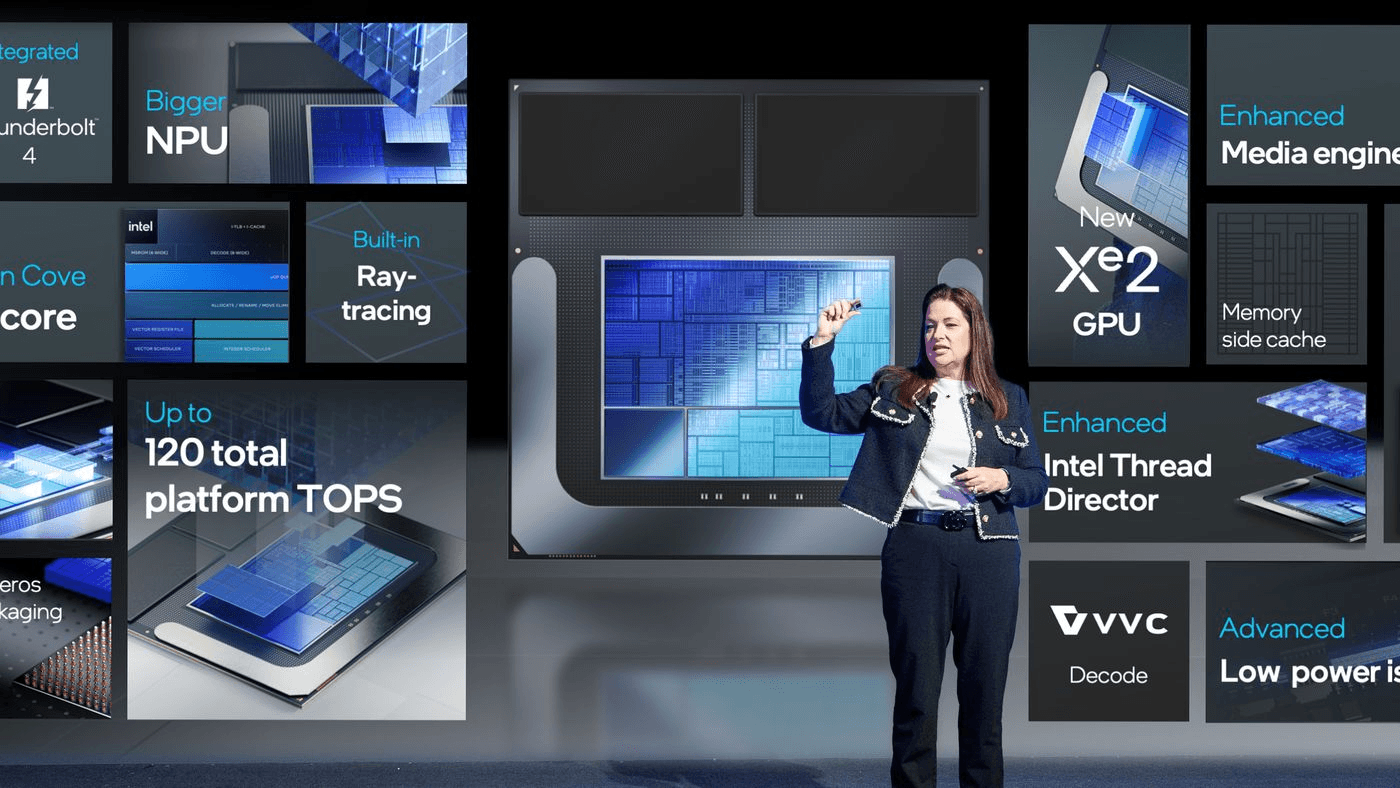
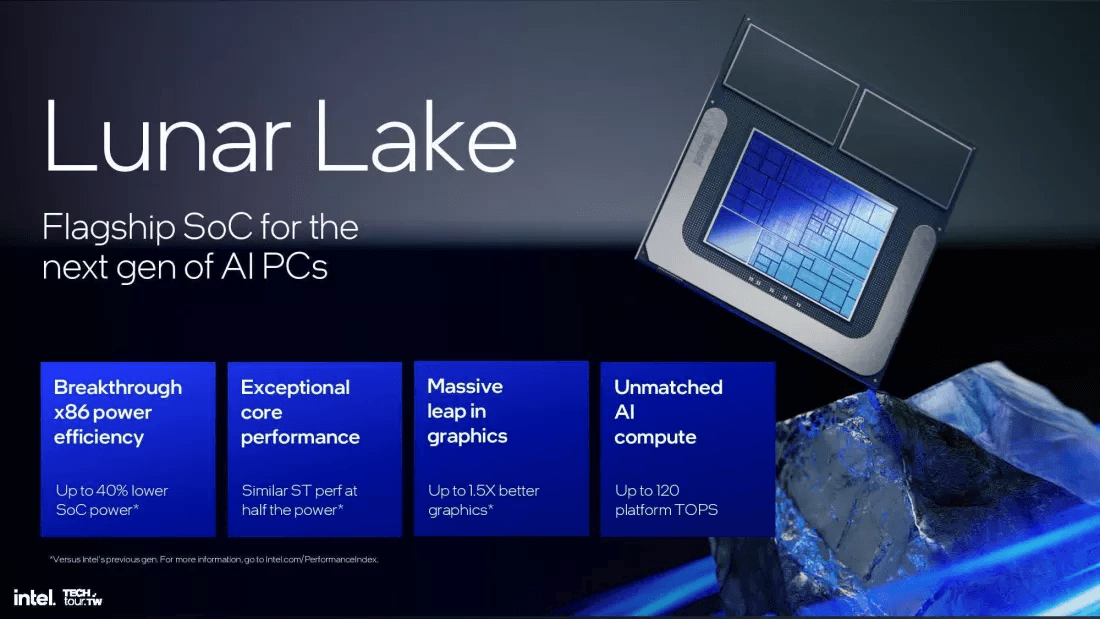
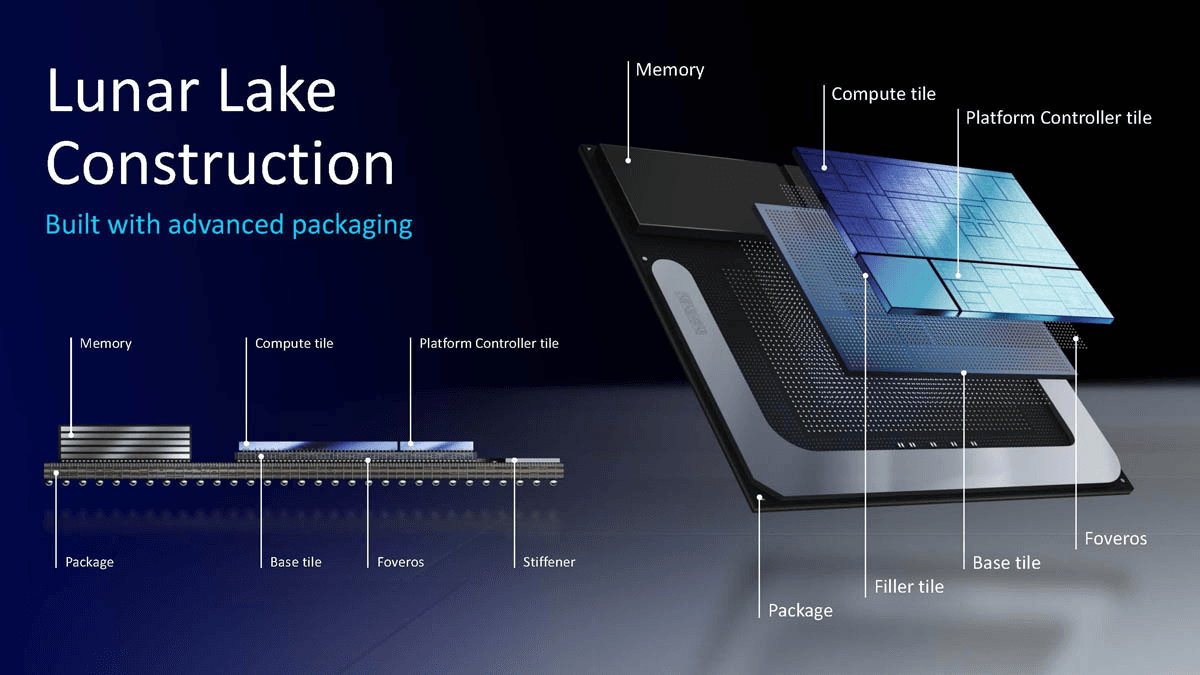
The upcoming Lunar Lake laptops, which initially eliminated the use of memory sticks in favor of fixed RAM on the processor package, are now being reassessed.
Intel CEO Pat Gelsinger admitted this approach was a financial misstep, and the company has decided to abandon it moving forward, with potential cuts to desktop GPUs also on the table.
The Return to Traditional Design
Future Intel chip generations, such as Panther Lake and Nova Lake, will revert to a more conventional design that features memory off-package.
Gelsinger stated, “It’s not a good way to run the business, so it really is for us a one-off with Lunar Lake.”
This means that while the CPU and I/O capabilities will remain integrated, the main memory will be sourced externally.
Despite promoting Lunar Lake's on-package memory as a competitive edge for enhancing laptop battery life—claiming it reduced data transfer power consumption by 40%—Gelsinger revealed that this model was more of an experiment than a foundational design.
Initially intended as a niche product for high performance and battery efficiency, Lunar Lake’s role shifted dramatically with the rise of AI PCs, leading to greater volume expectations.
Challenges and Cost Implications
However, Lunar Lake became problematic for Intel due to its heavy reliance on external partners for memory chips and wafers from TSMC.
During a previous earnings call, Intel’s CFO highlighted that the costs associated with Lunar Lake were hindering the company's recovery efforts, and although it hasn't reached sales of 100 million units, it represented a significant part of Intel's product mix.
The Future of Intel's Graphics Division
In addition to reevaluating its laptop chip strategy, Gelsinger indicated that Intel's discrete GPU efforts might also face downsizing.
He emphasized a shift towards more integrated graphics capabilities, suggesting that the market's need for dedicated graphics cards is diminishing.
This would not be entirely unexpected, as Intel's standalone gaming graphics cards have seen limited success and have primarily targeted the ultra-budget segment, an area increasingly challenged by AMD.
The potential discontinuation of dedicated graphics cards could be disappointing for gamers who have been awaiting Intel's next-generation Battlemage dGPUs, especially since the company's Arc graphics initiatives, including Battlemage, have made strides in improving integrated graphics performance in laptops.