What if your thoughts could control a computer, a phone, or even a robotic arm, without lifting a finger? That’s no longer science fiction. It’s the race to dominate brain-computer interfaces (BCIs), and China just revealed it’s going all in.
In just a few years, the country wants to leapfrog the U.S. in one of the most futuristic technologies ever imagined—and the clock is ticking.
From Sci-Fi Dreams to State Policy

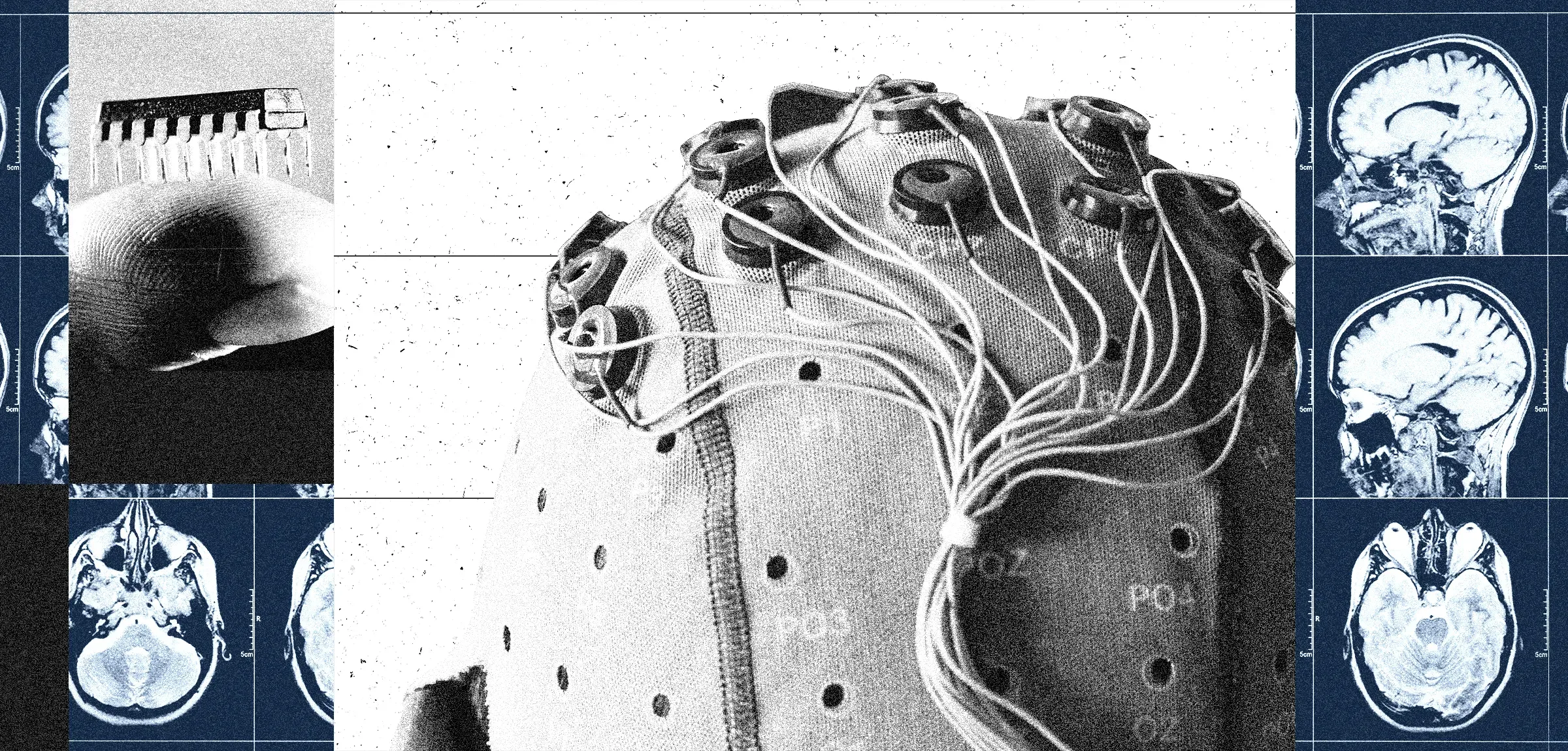
Brain-computer interfaces translate neural activity into commands that can control devices, offering life-changing possibilities for people with paralysis or other severe disabilities.
While Elon Musk’s Neuralink and U.S. startups like Synchron have been making headlines, China is moving fast to catch up and possibly overtake them.
This July, seven powerful Chinese government departments, including the Ministry of Industry and Information Technology and the Chinese Academy of Sciences, released a sweeping policy document outlining a roadmap:
breakthrough BCI technology by 2027, a globally competitive industry by 2030.
China has already shown it can turn research into mass-market products, just look at solar panels and electric cars.
Now, BCIs could be next. The policy lays out 17 specific steps, from building better neural chips to creating large-scale manufacturing.
It even hints at a future where consumer wearables like earbuds, glasses, and helmets can detect brain activity to boost productivity, monitor driver alertness, and prevent workplace accidents.
Brain Chips, Paralyzed Patients, and a Race to 2027
China’s push isn’t just policy—it’s real-world trials. NeuroXess, a Shanghai-based company, has already implanted devices in six paralyzed patients.
-
Some were able to control digital devices with their thoughts; others had their brain activity translated into speech.
-
Another company, NeuCyber NeuroTech, has tested its coin-sized chip, Beinao-1, in five patients who can now move a cursor and even navigate smartphone apps.
-
Experts estimate 1–2 million people in China alone could benefit from assistive BCIs, with potential uses ranging from medical rehabilitation to consumer tech.
And because China dominates global electronics manufacturing, the country is uniquely positioned to scale non-invasive devices rapidly.
While the U.S. and China are clearly entering a new technological rivalry, many researchers emphasize collaboration over competition.
As Phoenix Peng, CEO of NeuroXess, puts it: “Patients are desperate for this technology to have a better life. We don’t want geopolitics—we just want progress.”